There is a quiet logic to letting a Vancouver garden look and behave like the place it sits. Under the glossy leaves of a healthy native landscape there is less need for irrigation, fewer chemical inputs, and a steady calendar of birds, bees, and seasonal color. For anyone investing in landscaping in Vancouver BC, choosing native species is not nostalgia, it is practical design that responds to our unique climate and the way people actually use urban yards here.
Why native makes sense here Vancouver sits in a temperate coastal climate with mild, wet winters and relatively dry summers. Rain falls more in autumn and winter than in summer, and average winter temperatures usually stay above freezing. The natural vegetation evolved with those rhythms. Plants such as sword fern, salal, Oregon grape, and vine maple are adapted to winter soil saturation and summer dryness under a canopy. They root quickly, hold sediment on slopes, and resist the pests that commonly trouble nonnative shrubs in our area.
The benefits are measurable. A planted bed of established native shrubs and perennials typically needs less than half the supplementary irrigation that a comparable nonnative mixed border will require during a dry July and August. Native plantings support pollinator life cycles. A single red-flowering currant in early spring can feed dozens of native bumblebees and native solitary bees that arrive before many cultivated perennials bloom. For homeowners who want low-input landscapes without sacrificing structure and year-round interest, natives deliver.
How Vancouver’s climate shapes plant selection When planning a native landscape, don’t treat all natives the same. Vancouver’s microclimates vary dramatically from one block to the next. A south-facing slope on a Kitsilano lot sees hot, reflective sunlight in July and August. A north-facing garden behind a laneway house will have constant shade and acidic, cool soil. Rain shadow areas on the city’s periphery receive noticeably less rain during summer months.
Choice follows conditions. Use candidates like camas, ocean spray, and serviceberry on drier, sunnier sites. On heavily shaded, moisture-retentive spots look to sword fern, foamflower, and wood violets. Vine maple and Pacific dogwood provide layered canopy in medium sun while giving winter structure. Arbutus menziesii gives that dramatic, peeling-bark accent on good-drained, exposed sites if you can accept its slow start and sensitivity to prolonged root inundation.
Some practical numbers to keep in mind: plant root ball sizes shrink water needs as roots establish. For a new native shrub, plan for hand-watering twice weekly during the first two summers if rainfall is below average. After two years, many natives will survive on seasonal rainfall alone, though spot watering during extended dry spells helps flowering and fruit set.
Design that looks intentional, not collected A common critique is that native plantings can look messy, or too wild for a modern house. That is a design issue, not a botanical one. Native plants respond well to repetition, structure, and attention to massing. Lace in three to five planting groups of a single species rather than scattering one here and another there. Use formal elements, like low hedges of western red cedar or simple gravel paths, to frame native beds. Combine groundcovers such as salal and Oregon grape under a repeating canopy of vine maple to create layered depth.
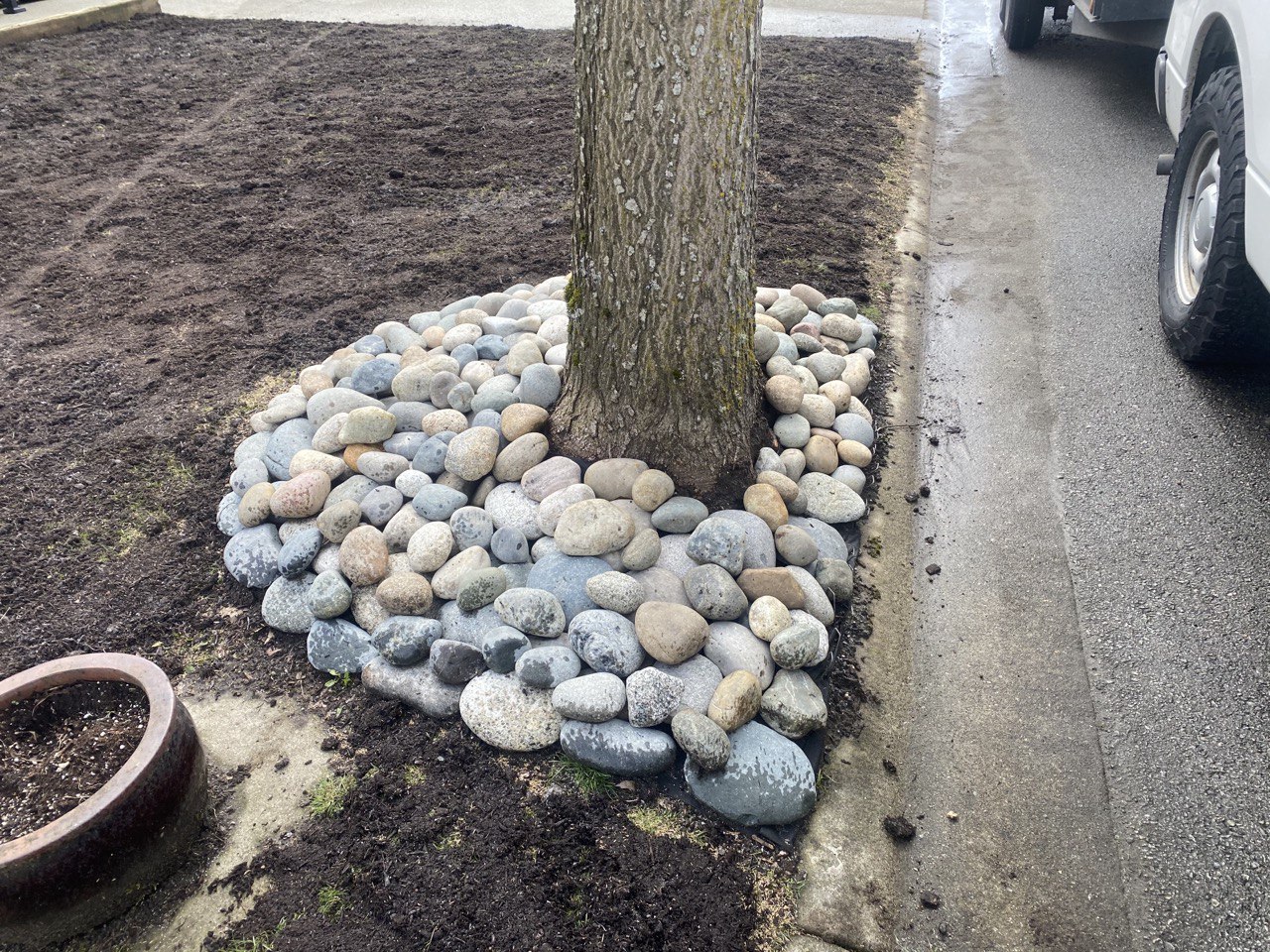
Hardscape choices matter. Permeable pavers, gravel, and mulched paths connect functionally to the ecology of native species, allowing infiltration rather than concentrating runoff. Retaining walls built with natural stone pick up local character and reduce the need for chemical treatments while stabilizing slopes that otherwise erode.
Sourcing plants and the buyer’s trade-offs Availability can be the main friction. Some nurseries in Greater Vancouver BC specialize in natives and maintain good, locally adapted stock. Others import container-grown plants that have been forced or over-fertilized, which can delay acclimation. If you want mature specimens, expect to pay a premium for larger container sizes or for shrubs grown on site for several years. Growing from native seed or small plugs is cheaper, but it requires patience; some species take two to three seasons to reach noticeable size.
There is also the question of provenance. Plants collected from local seed sources are more likely to perform well here than those from distant populations, because they are adapted to local temperature ranges, rainfall patterns, and seasonal cues. For homeowners concerned about that fine-grained adaptation, ask nurseries whether their stock is locally sourced, and whether they grow plants to at least one season in local conditions before selling.
Pests, deer, and maintenance realities Native landscapes generally mean fewer pesticides and fertilizers, but they are not maintenance-free. Deer browse is a real issue in some parts of Vancouver, particularly near greenbelts and parks. Plants such as ocean spray and Oregon grape are more deer-resistant, whereas salal and young arbutus shoots can be attractive to browsers. If deer pressure is high on your property, consider protective strategies during establishment, such as temporary fencing or strategic placement of less-palatable species near the property edge.
Fungal issues occur where drainage is poor. Standing water in compacted clay will cause root rot, even in species that prefer moist soils. Correct grading, installing a raised bed or swale, and using woodchip mulches that improve infiltration can prevent those problems. Expect to prune selectively to maintain desired habit, especially with species that sucker or spread. Most pruning is gentle: thinning to improve air flow and removing dead wood in late winter or early spring.
Seasonal choreography: what to plant when Timing can make or break establishment. For most natives in our climate, fall planting is ideal. Soil is warm, rains return, and plants send roots without the stress of summer heat. If you must plant in spring, do so early before new growth demands more water than the soil can supply. Container-grown plants adapt more easily than dug specimens, but give them the same fall or early-spring preference.
A short checklist for planting success
- prepare the soil by removing invasive grasses and mixing in a modest amount of well-aged compost, avoid over-amending. plant in late fall or early spring when the soil is workable and consistent rain patterns have resumed. mulch with 5 to 7 cm of shredded wood or bark, keeping mulch away from stems to prevent rot. water deeply and infrequently during the first two summers, tapering as plants establish.
Examples from real projects I worked with a homeowner in Mount Pleasant who wanted a low-water front yard that still read as tidy and contemporary. We replaced an expanse of lawn with a procession of vine maples and three masses of salal and Oregon grape, edged with gravel. The site needed only two hand-watering sessions a week in its first summer, and by year three irrigation was limited to a single deep soak during the driest weeks. The family recorded fewer mosquitos in the yard because standing water had been eliminated, and they reported frequent sightings of native hummingbirds feeding on red-flowering currant in early spring.
On the north Shore, a steep back garden had chronic erosion. We stabilised the slope Landscape designer in Vancouver BC with a combination of cedar log terraces, densely planted sword fern, and creeping Oregon grape. Initial costs ran higher because of terracing and erosion control fabric, but the client gained usable level planting areas and eliminated repeated sod and mulch replacement costs, recouping the extra expense inside five to seven years through lower maintenance.
Plant palette that suits urban Vancouver Rather than a long list, think in functional groups. Use canopy trees to give height and seasonal structure, midstory shrubs for berries and flowers, and groundcovers for weed suppression and soil protection. Some reliable performers for Greater Vancouver BC include vine maple for a small canopy tree, red-flowering currant and ocean spray for midstory blooms, sword fern and salal for groundcover and understory, and camas or native geraniums for spring bulbs and perennial accents. If you want evergreen structure through winter, Oregon grape provides glossy leaves and early flowers.
Where to use these plants depends on your garden’s sun and moisture. Camas thrives in sunny, well-drained spots and rewards you with blue star-shaped flowers in spring that also attract native bees. Sword fern will carpet shadier, protected areas, creating a soft, low-maintenance ground layer. Remember that arbutus is striking but slow and best treated as a specimen; don’t plant it in a site that will be overwatered or compacted.
The economics of native landscaping Initial cost may be slightly higher if you purchase larger native specimens, or if you invest in erosion control and proper grading. However, the lifetime budget for irrigation, fertilizers, insecticides, and turf maintenance tends to be lower. Where municipal water restrictions apply in summer, native plantings reduce the need for supplemental watering and can reduce water bills. For commercial properties and multi-family sites, choosing natives also simplifies long-term maintenance contracts, which benefits landscaping services and maintenance companies in the region.
If you are searching for professional help, terms like Landscaping Services Greater Vancouver BC, landscape installation, and landscaping near me will produce options that range from design-build firms to small crews offering planting-only services. A reputable contractor will visit your site, test existing soil conditions, and discuss a maintenance plan that matches your tolerance for upkeep. Companies such as Luxy Landscaping are one example of local contractors that list native plant expertise among their services. Ask for references and look for portfolios that demonstrate cohesive, site-appropriate plantings rather than scattershot collections.
Regulatory and community considerations Vancouver and surrounding municipalities encourage stormwater reduction and tree retention. Replacing impermeable surfaces with vegetated areas can help meet local guidelines for runoff control. Where properties sit near streams or sensitive habitats, buffers and planting guidelines may apply. If you are regrading or removing significant trees, check municipal bylaws; some work requires permits or professional arborist reports. Your landscaper should be familiar with municipal rules and with best practices for protecting neighboring properties during installation.
Supporting pollinators and wildlife Native plantings are not only attractive, they are ecological infrastructure. Early-blooming species such as red-flowering currant and Oregon grape support queen bumblebees coming out of hibernation. Native shrubs that produce berries give birds high-energy food in late summer and fall. If you want to maximize wildlife value without compromising aesthetics, plant denser shrub thickets at the back of the property, keep a patch of leaf litter in a sheltered corner for insects, and include a water source that is shallow and easy to maintain.
Be realistic about predator-prey balance. A property that attracts birds will also attract the occasional hawk or raccoon. In urban settings that is usually a feature rather than a flaw, because it keeps rodent populations in check. For those who keep vegetable beds, place them near busy human activity rather than deep inside dense shrubbery, which can hide pests.
Maintenance rhythms and what to expect After establishment, maintenance is seasonal and much lighter than typical turf or ornamental beds. In late winter, prune only to remove dead, crossing, or diseased branches. In early spring, check mulches and replenish to maintain that 5 to 7 cm layer. Plan for an annual sweep of pathways and removal of invasive grasses by hand if they reappear at bed edges. Expect periodic replacement of a percentage of plants, especially where deer or dogs cause damage. A realistic number for turnover is 5 to 10 percent of the planting area per decade, depending on site pressures.
Final choices and taking the next step If you are considering a native conversion, start with a site audit. Note aspect, soil texture, drainage patterns, existing trees, and animal pressures. Sketch desired functions: where do you want privacy, play area, a path, or a dining terrace? Prioritize creating contiguous habitat patches rather than tiny isolated pockets; even a linear native hedge along a property edge can function as an ecological corridor.
If DIY feels daunting, look for local practitioners who understand our climate and regulatory landscape. Search for landscaping services that explicitly list native plant experience, ask for a planting schedule, and request a one- to three-year maintenance plan during handover. Whether you call up a local designer, or search landscaping near me and interview multiple crews, emphasize provenance of plant stock, installation details like soil prep and mulch depth, and realistic irrigation plans.
Choosing native plants for landscaping in Vancouver BC is a design decision that pays dividends in ecology, maintenance, and place-making. It requires choices about aesthetics, upfront investment, and care rhythms, but when done well, a native garden will look intentional every season, support local wildlife, and fit the rainfall and temperatures that define our coastal region. If your goal is to create a durable, attractive outdoor space that reflects the local landscape, the extra thought and care spent on selecting native species will return value for years to come.
Luxy Landscaping
1285 W Broadway #600, Vancouver, BC V6H 3X8, Canada
+1-778-953-1444
[email protected]
Website: https://luxylandscaping.ca/